
Hand pruning tools have been part of orchard and vineyard work for generations. They are familiar, reliable, and for many growers, they still make sense.
But there is a point where relying entirely on manual tools starts to feel less sustainable.
The challenge isn’t that hand pruners don’t work. It’s that they rely on a system built around repetitive manual effort. As pruning volumes increase, so does the physical demand placed on workers.
Fatigue becomes a factor early in the day. By the afternoon, consistency can begin to vary. Over time, repetitive strain injuries can develop, particularly in operations where pruning is a major part of the workload.
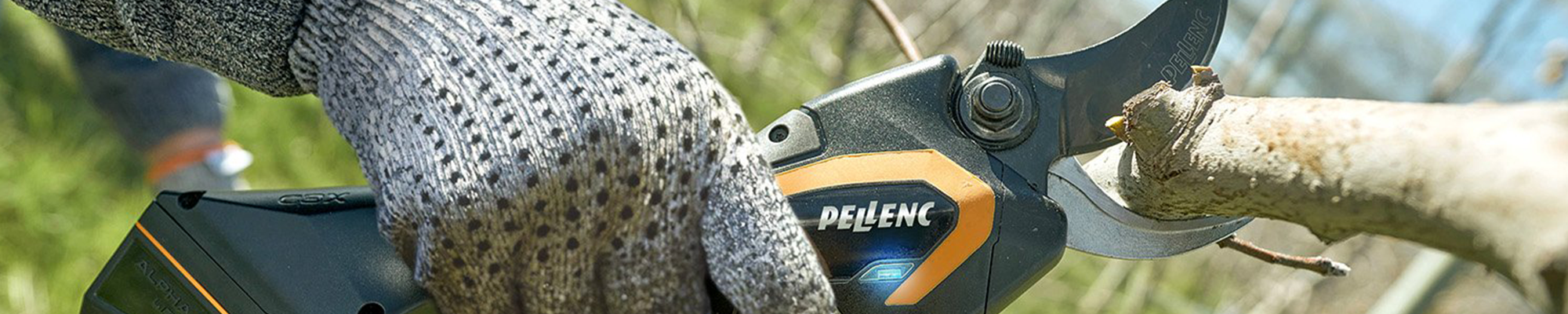
Battery-powered tools help to reduce some of that strain, but they don’t fundamentally change the workflow. The same repetitive motion is still required, just with less force behind each cut.
Hydraulic and mechanised systems take a different approach.
Rather than focusing on making each cut easier, they aim to change how the work is carried out. In vineyards, pre-pruners and mechanical systems can reduce the number of manual cuts required. In orchards, integrating powered tools with elevated platforms allows operators to work more continuously and with less physical strain.
This is where Hydralada fits into the conversation.
By combining elevated work platforms with mechanised pruning solutions, the focus shifts from repetitive manual effort to a more structured and efficient workflow.
That doesn’t mean hand tools disappear. They still play an important role, particularly for detailed finishing work.
But the reliance on them begins to decrease.
For smaller operations, manual pruning will likely remain the most practical option.
For larger or more labour-constrained operations, the question becomes less about which tool to use, and more about whether the current approach is still sustainable.
Most growers don’t move away from hand pruning because it stops working.
They move because the workload grows to a point where relying entirely on manual effort is no longer the most efficient way forward.
And when that happens, the decision isn’t about replacing a tool.
It’s about rethinking the entire way the work gets done.