
Ladders have been part of orchard and vineyard work for as long as most growers can remember. They’re familiar, relatively affordable, and flexible enough to handle a wide range of tasks.
For many operations, they still work.
But there comes a point where the conversation starts to change.
It usually happens gradually. Work starts to take a little longer. Moving between trees becomes more repetitive and selective picking fruit by colour and size increases the amount of ladder shifts. Fatigue starts to affect consistency. Finding and keeping reliable labour becomes more challenging.
At that stage, the question isn’t whether ladders are effective. It’s whether they are still the best fit for the way the operation is evolving.
Ladders tend to work well in smaller or less intensive environments, where flexibility matters more than speed. They’re easy to use, easy to replace, and don’t require a major shift in how work is organised.
But as operations grow, their limitations become more noticeable.
The biggest challenge is the workflow itself. Ladder-based work relies on constant climbing and repositioning, which naturally slows things down. It also places a physical demand on workers that not everyone is suited to, which can limit the available labour pool, and intorduce safety concerns of falling.
This is where comparisons with machines like Hydralada become more relevant.
The difference isn’t just in the equipment. It’s in how the work gets done.
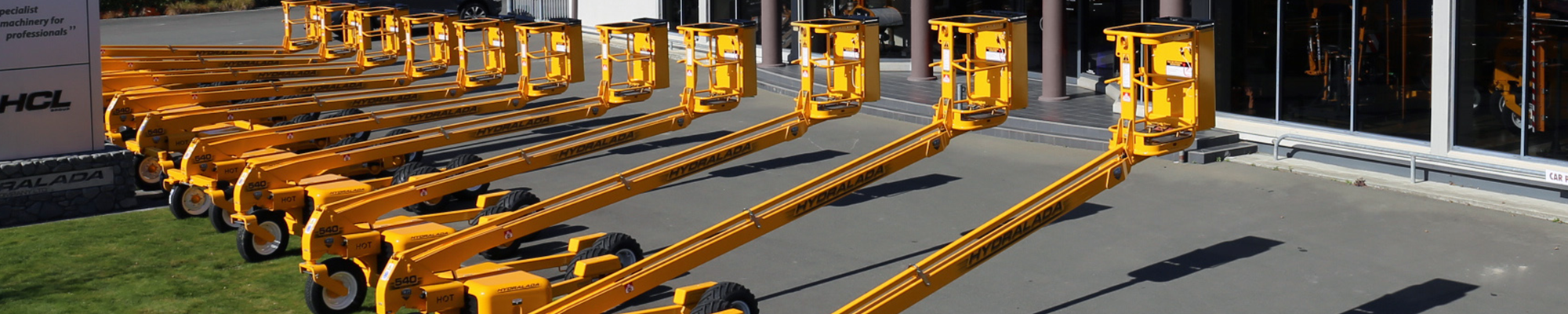
With Hydralada’s platform-based picking and pruning systems, operators are positioned at height and can move more continuously through the row. That reduces the need for repeated climbing and creates a more consistent working rhythm.
Their hands-free elevated work platforms are designed to improve efficiency without increasing physical strain, while also helping to improve consistency across harvest and pruning.
That doesn’t mean machines are the right choice for every grower. For smaller operations or those with lower volumes of work, ladders may still be the most practical option.
But for larger operations, or those facing ongoing labour challenges, the shift can be significant.
One of the less obvious benefits is how it changes who can do the work. Ladder-based systems tend to favour workers who are comfortable climbing and carrying loads. Platform-based systems can open the door to a wider range of workers, which becomes increasingly important as labour availability tightens.
In the end, most growers don’t move away from ladders because ladders stop working.
They move away because their operation outgrows the system that ladders support.
And when that happens, the decision is no longer about choosing a better ladder.
It’s about deciding whether it’s time to work differently.