
If the past decade has reshaped anything in the industrial and environmental services sectors, it is the understanding that extreme weather is no longer unusual. It is part of the operating environment.
Across both Australia and New Zealand, climate data from the Bureau of Meteorology and NIWA shows a measurable increase in the frequency and intensity of severe weather events. Heavy rainfall, intense storms and prolonged dry periods all create operational pressure on infrastructure and land management.
For councils, contractors and land managers, recovery capability has become a strategic asset.
The Real Cost of Downtime
When storms move through a region, the visible damage is only part of the story. Blocked roads delay transport and emergency services. Fallen vegetation creates safety hazards. Green waste accumulates rapidly and increases fire risk as conditions dry.
The speed at which debris can be processed determines how quickly normal operations resume.
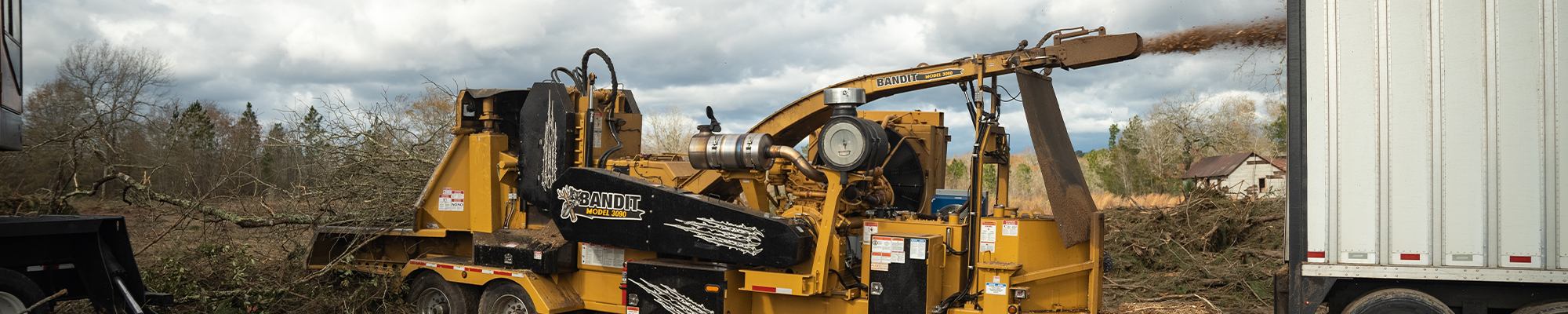
High capacity shredders and industrial chippers play a central role in this response. They reduce volume dramatically, allowing material to be transported or repurposed far more efficiently.
Hydralada supplies heavy duty industrial solutions including the Arjes 800 shredder, Beast horizontal grinders and the 21XP, 18XP and 15XPC chippers. These machines are designed for demanding environments where reliability matters. You can explore the these here: https://www.hydralada.com/nz/industrial/horizontal-grinders/
And industrial chipping solutions here:
https://www.hydralada.com/nz/industrial/chippers/
The objective is not simply to clear debris, but to restore functionality quickly and safely.
On Site Processing Is Changing the Economics
Transporting unprocessed green waste is expensive. The bulk of material means more trips, higher fuel costs and extended disruption.
On site shredding reduces material volume before transport. In many cases, processed material can be reused as mulch, compost or biomass, aligning with circular economy principles that are increasingly supported by local and national policy frameworks.
What was once considered waste becomes a resource.
This shift is not only environmental. It is financial.
Safety Under Pressure
Clean up operations often take place under compressed timelines. That increases risk. Machinery safety and operator training are critical in these environments.
Safe Work Australia and WorkSafe New Zealand both emphasise the importance of maintaining equipment integrity and proper training in reducing serious injury across machinery intensive sectors.
Prepared operators invest in preventative maintenance and ensure machinery is ready before it is urgently required. Breakdowns during peak demand amplify disruption.
Reliability becomes reputation.
Resilience as Competitive Advantage
Industrial operators who consistently demonstrate rapid response capability often secure long term contracts and preferred supplier status. Reliability during high pressure events builds trust in ways that marketing never can.
Extreme weather events are unlikely to diminish. The question is not whether another storm will arrive, but whether systems are ready when it does.
Investing in high capacity, dependable processing equipment is not just about operational efficiency. It is about resilience.
And resilience is increasingly what defines leadership in the industrial sector.
References
Bureau of Meteorology - Severe weather and climate trend reporting
NIWA - Extreme weather and hazard analysis
Safe Work Australia - Machinery and workplace safety statistics
WorkSafe New Zealand - Machinery and plant safety guidance