
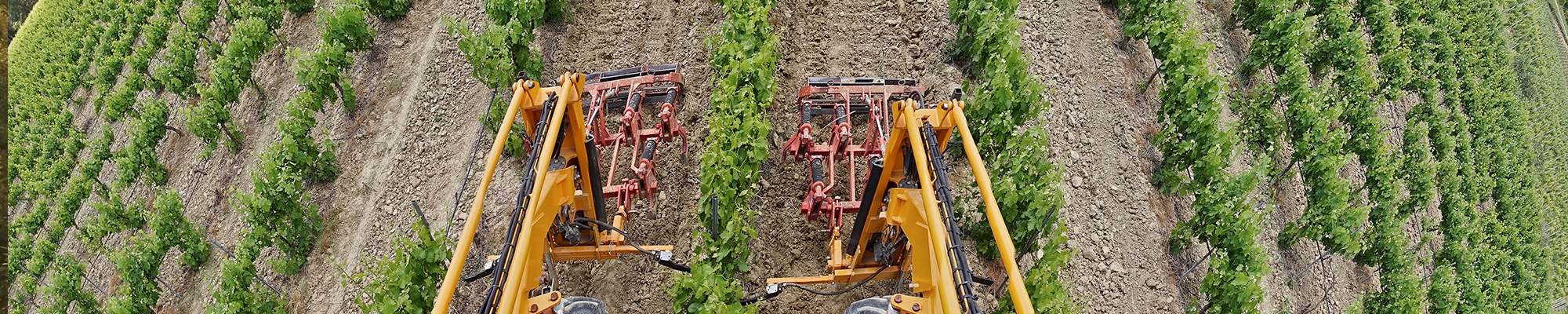
February in a vineyard carries a particular intensity. The canopy is full, sugar levels begin climbing quickly and harvest decisions feel closer by the day. Teams move with urgency, weather forecasts are checked constantly and there is a quiet awareness that timing will determine much of what follows in the winery.
Across Australia and New Zealand, vineyard managers are operating in an environment that feels more volatile than it once did. Climate variability is sharper. Export markets are more competitive. Margins are less forgiving. And labour availability is no longer something that can be assumed.
Mechanisation is increasingly part of the answer, but not in the way many people once imagined. It is not about industrialising wine production. It is about protecting precision.
Heat Is No Longer an Occasional Challenge
The data is clear. The Bureau of Meteorology continues to report a long term increase in extreme heat events across Australian wine regions. In New Zealand, NIWA has documented increasing variability in rainfall and seasonal patterns, particularly in regions heavily dependent on stable growing conditions.
Heat affects vines, but it also affects people.
When temperatures climb, physical fatigue sets in more quickly. Crews slow down. Decision making can become rushed. Harvest windows narrow.
In premium wine production, small variations matter. Fruit that is picked too late, handled too roughly or exposed to unnecessary delay can compromise quality before it even reaches the winery.
This is where thoughtful mechanisation becomes valuable.
Precision Under Pressure
Industry insights shared by Wine Australia consistently reinforce the importance of harvest timing and fruit integrity in maintaining competitiveness in global markets. As export conditions fluctuate, quality differentiation becomes even more important.
Mechanised harvesting systems have evolved significantly over the past decade. Modern grape harvesters and optical sorting technologies are designed to increase control rather than reduce it. They allow vineyards to selectively harvest blocks at optimal timing, remove unwanted material earlier in the process and maintain consistency across larger areas.
Hydralada supplies advanced vineyard harvesting systems that support this level of precision, including Pellenc harvesters and optical sorting solutions. These systems are not about replacing skilled viticultural judgement. They are about giving that judgement better tools. You can explore vineyard harvesting solutions here: https://www.hydralada.com/nz/viniculture/vineyard/
Pellenc offers their world-renowned Selectiv Process onboard sorting, which has become increasingly recognised by winemakers worldwide for the quality sample the harvester delivers from the vineyard to the winery. In some situations, the berries are as good as hand picked whole berries, an important feature with certain wine grape varieties.
With quality award winning wines returning top value in export markets, some winemakers now request that Pellenc harvesters only are used when harvesting high end labels. The confidence comes from consistency. Cleaner samples, reduced material other than grapes and minimal berry damage create a measurable difference at intake.
The Pellenc harvester is also designed from the ground up as a multifunctional machine. This sets it apart from many other systems and means the machine can be utilised all year round once harvest is complete. Pruning, mowing, spraying, trimming and leaf removal are only some of the vineyard tasks the Pellenc machine can perform, optimising utilisation of a high value piece of equipment and strengthening return on investment.
The difference often shows up in subtle ways. Cleaner fruit entering the winery. Reduced rehandling. Greater confidence in block consistency.
Labour Stability and Long Term Planning
Labour remains a constant concern across both countries. Recruitment cycles are less predictable, and experienced seasonal workers are increasingly sought after across multiple industries.
Mechanised vineyard systems create stability. They reduce reliance on large picking crews during compressed harvest windows and allow smaller teams to operate efficiently over longer days without the same level of physical strain.
Battery powered pruning systems are another example of this shift. Electric tools reduce vibration, minimise repetitive strain and create a quieter working environment that is easier on operators over long periods.
Hydralada’s Pellenc vineyard tools are part of this transition toward more sustainable and ergonomic vineyard management. You can view these systems here:
https://www.hydralada.com/nz/viniculture/battery-tools/
The goal is not speed alone. It is sustained performance over the course of an entire season.
Sustainability Is Now Market Expectation
Sustainability reporting is no longer a niche exercise. Buyers and distributors increasingly expect transparency around environmental impact. Wine Australia has placed growing emphasis on sustainability frameworks within the industry.
Electrification reduces fuel dependency and lowers emissions. Efficient harvesting systems reduce waste. Precise canopy management improves input control.
Mechanisation decisions are no longer just operational choices. They are part of a vineyard’s commercial positioning.
A More Controlled Vineyard Model
The vineyards that appear most confident today share a common trait. They have built control into their systems.
Control over timing. Control over workflow. Control over labour exposure. Control over quality variability.
February often reveals weaknesses. It also highlights where systems are strong.
Mechanisation, when integrated thoughtfully, provides structure in an environment that is becoming less predictable. It does not remove the craft of viticulture. It reinforces it by reducing the variables that work against it.
For many vineyards across Australasia, that reinforcement is becoming essential rather than optional.
References
Bureau of Meteorology - Climate trend and heat data
NIWA - Climate variability and regional summaries
Wine Australia – Industry outlook and sustainability reporting